








Many of the world's poorest countries are in a deepening debt crisis, forced to pay ever higher interest rates to wealthy lenders. Money that could be spent on healthcare, education and coping with the climate crisis is flowing out of countries that can least afford it.
Low-income countries have been facing increasingly unsustainable debt since the 2008 financial crisis, when banks, hedge funds and traders ('private lenders') saw an opportunity to make vast sums of money by lending to them at high interest rates. Crises in the 2020s, including the pandemic, forced countries to borrow further at extortionate rates. Often, they have paid their original debt several times over, but they are trapped in a spiral of debt that can't be cleared because the interest on it keeps growing.
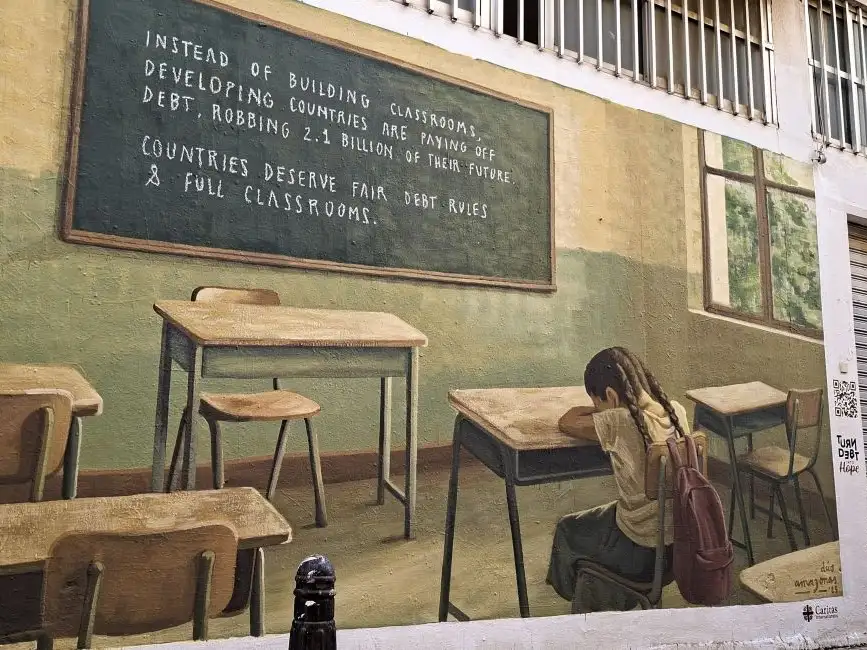
Governments have an impossible choice between serving their people or paying their creditors. Every day this continues, millions are suffering the effects. In Africa, 34 countries spend more on external debt payments than on health or education, when hospitals and schools are already desperately underfunded.
Next steps on the debt crisis
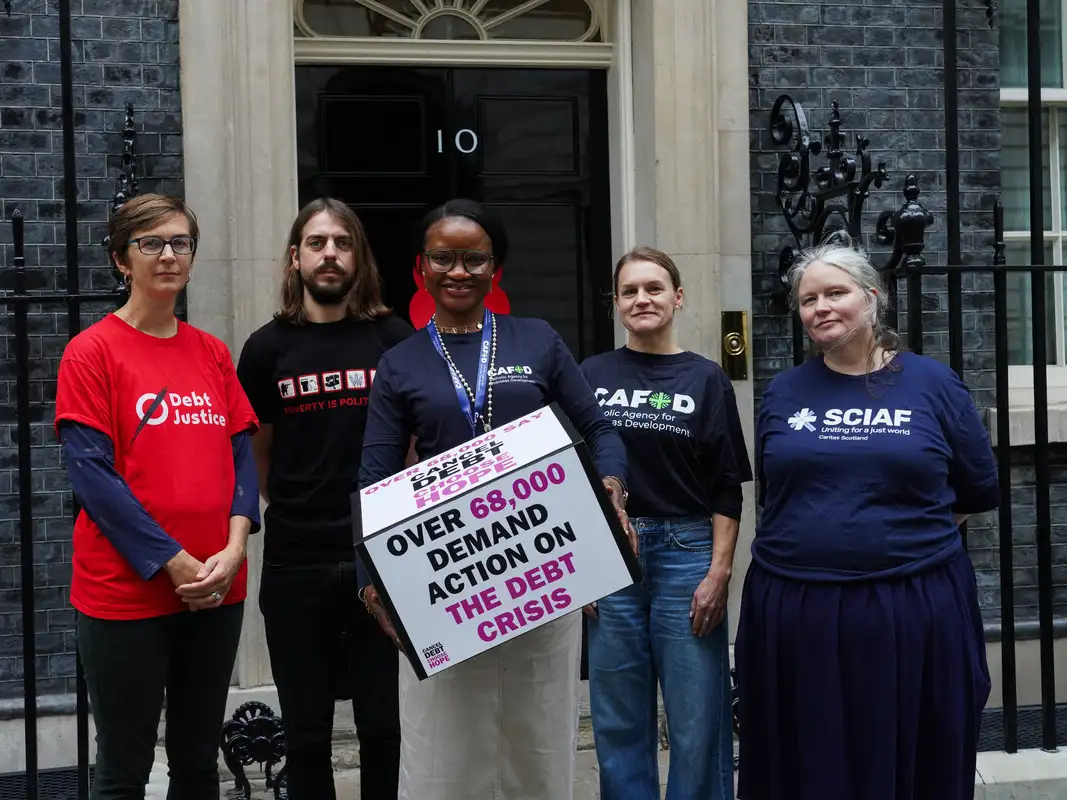
Ask your MP to write to the Prime Minister to call for urgent action on the debt crisis.
Listen to our webinar recording about how low-income countries like South Sudan are struggling with huge debt burdens.

"Shouldn't all debts just be repaid?" Read the answer to this and other questions about the global debt crisis.

Everything you need to run our new petition about the global debt crisis in your parish this summer.


