


Latest news


Slide 1 of 5


A fishmongers’ savings group (sharing money and small loans) in Monrovia, Liberia, supported by Caritas and Development Office Monrovia. Credit: Carielle Doe
Resilient livelihoods are ways to earn a living that withstand shocks like natural disasters and economic downturns.
When there are large scale disasters, conflict or political crises, harvests may fail, small businesses may be unable to operate, or people may be forced to leave their homes and go and live somewhere else. Families that are affected may be unable to buy regular meals, pay children’s school fees or afford adequate shelter.
Building resilient livelihoods is about finding ways to make a living that will not easily collapse when things go wrong, and can be recovered or rebuilt quickly after a crisis.
Inspired by our Gospel values, we believe that every person has the right to meet their basic needs and to thrive beyond survival. This includes food, safe drinking water, healthcare, education, decent work, safety and a healthy environment in which to thrive.
A better world needs all of us. That's why we help people build secure and hopeful futures, strengthen their resilience to crises, and protect the environment all around the world.

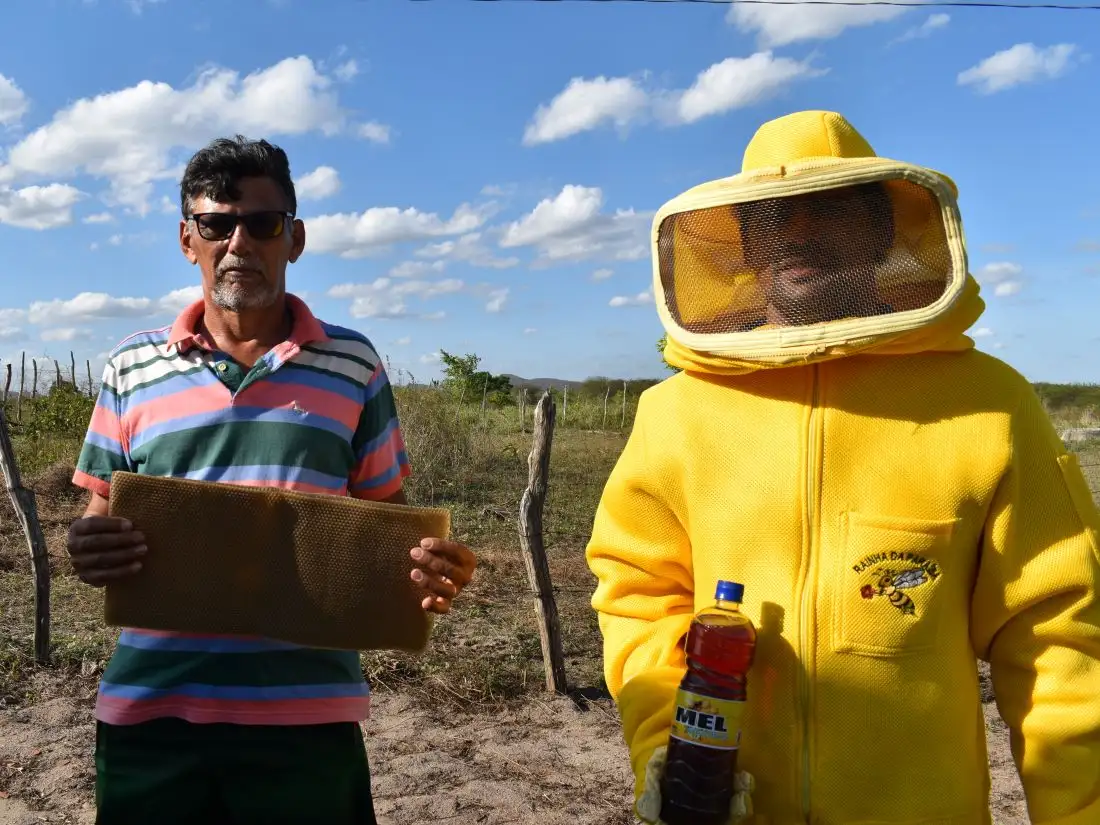
Local producers in rural Honduras selling honey with the support of local partner Red Comal. Credit: Red Comal
We work with communities to help them thrive long-term. That means supporting vulnerable people to gain a stable income, reliable food and shelter, and the security of knowing they can recover if disaster strikes. We do this in three main ways.
Climate change is making it harder for families to grow food. Droughts, floods and other extreme weather can destroy crops and leave people without enough to eat or earn a living.
That's why your support helps our local partners adopt farming methods that work with nature and help communities adapt to changing weather. These methods can improve harvests, increase incomes and help people to keep earning a living when disaster hits.
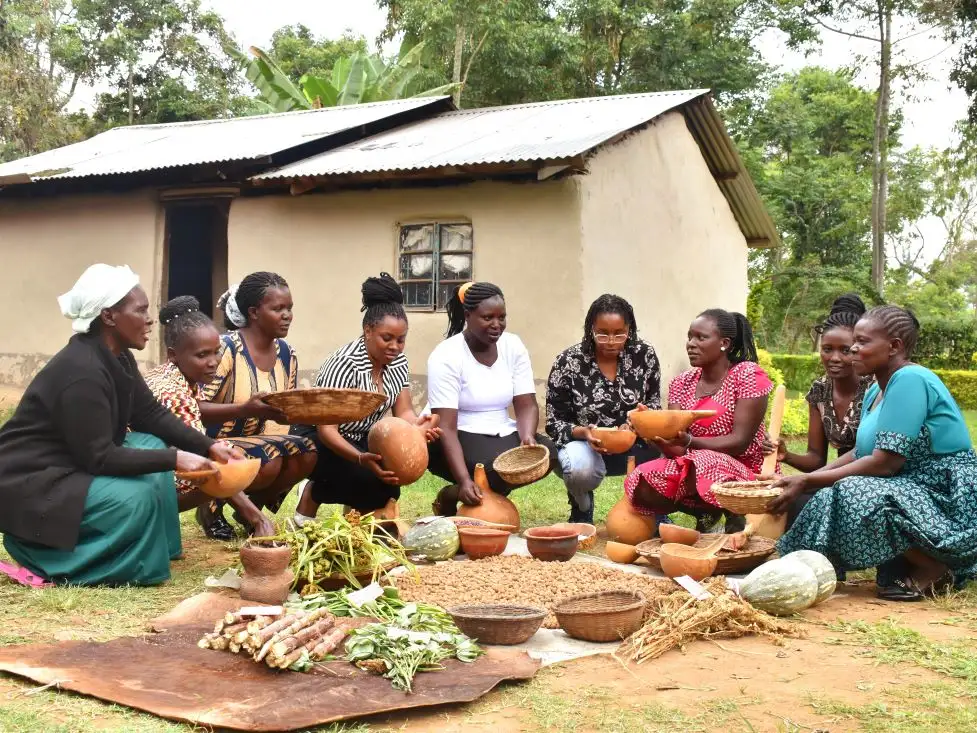
After a crisis such as a drought, our local experts provide seeds so families can start farming again. Local partners also help communities set up seed banks, where seeds can be stored safely and shared when they are needed. This means communities are better prepared for future shocks.
We help local communities to start or strengthen small businesses by providing training in business skills, such as how to manage money, plan for the future and sell products. This gives people the knowledge and confidence they need to earn a living and support their families.
We also help people learn practical skills for specific jobs and trades by providing training in areas like tailoring, carpentry and food processing. Particular attention is given to supporting women, refugees and other groups who may face barriers to finding work.
Women and young people often have little access to loans and limited control over their money. This means it is harder to start a small business to support their families.
Our local partners help women access safe and affordable financial services so they can save money, invest in their future and cope better when times are hard. One way they do this is through savings groups where women save money together and support one another. Members can borrow money from the group to start or grow a small business, pay school fees, buy farming supplies or cover unexpected costs.

Skills training for women and girls with the support of local partner Women Now in Lebanon. Credit: Women Now
In Bangladesh over 6,000 people (majority women) trained and supported to take on alternative income generating activities through vocational training, formation of cooperatives and establishment of women-led business hubs.
In Afghanistan 462 women and 54 men developed income generating opportunities and were trained on microfinance, enterprise and business development.
100 small rural businesses are thriving in El Salvador including community shops, chicken farms, traditional food shops and sewing businesses.
In Africa, communities are campaigning at the local, national and international level to support sustainable food production.
Syrian refugees in Lebanon are learning practical skills to help them access jobs. Women and young girls feel safe, confident and able to pursue new opportunities.

A collection of our most popular prayers for people who work around the world and for those who long to be in work but struggle to find employment.